Saturday, February 28th at 7:30 PM in the Performing Arts Center.
Sponsored by Frances & Tim Becker
Bruce Knowles, Conductor
Guest Artists – Rachael Bunger, violin, Percussionists from the SDSM&T Wind Ensemble
Mayor Jason Salamun, narrator
Program
Festive Overture Op.96 — Dmitri Shostakovich
Introduction and Rondo Capriccioso, Op. 28 — Camille Saint-Saens
Soloist: BHSO Young Artist Competition Diane Ketel Prize Winner – Rachael Bunger, violin
Konzertstuck for Fours Horns and Orchestra in F major, Op. 76. — Robert Schumann
I. Lebhaft
Soloists: Skye van Duuren, Sarah Decker, Jennifer Stelzig, Victoria Palmreuter
Intermission
Saturday Night Waltz from “Rodeo” — Aaron Copland
Timeless (A Loss of Love) — Alexander Trujillo
Arabian Dances — Balmages
School of Mines Wind Ensemble Percussionists:
Baker Mitchel, Corrigan Johnke, Eric Poole, Jace Ruud, Cindy Eng
Special thanks to Dr.Haley Armstrong – SD School of Mines Director of Bands
Air Force Hymn — Hamiliton/Baker/arr. Ruello
The US Air Force March — Robert MacArthur Crawford
Adagio For Strings, Op. 11 — Samuel Barber
Lincoln Portrait — Aaron Copland
Mayor Jason Salamun - Narrator
Rachael Bunger
Young Artist Winner - Violin

Rachael began playing the violin at the age of nine, starting her studies with Katie Sprague, and later continuing them in the Suzuki Program with Amanda Swartz, BHSO Concertmaster. A current junior at Stevens High School and dedicated orchestral musician, Rachael has participated in the SD All-State Orchestra every year since middle school and was selected as concertmaster for the J. Laiten Weed Honors Orchestra in 2025.
Last year's winner of the Dakota Chamber Orchestra Soloist Competition, she made her public debut playing Mozart Violin Concerto No. 4, 1st Movement.
Beyond performance, Rachael is passionate about sharing music with others. Alongside her friend Evita Coleman, she teaches free violin lessons through a local chapter of Music No Boundaries, combining her love of music with community service.
She views music as one of the most beautiful aspects of God’s creation, making violin her passion, and is grateful for the opportunity to share the gift of music with you today.
Alex Trujillo
Composer and Musician

Composer and musician, Alex Trujillo was first introduced to music when he picked up the violin in fourth grade. He has always been fascinated with music and what it can bring to others. He began composing when he attended the South Dakota Symphony Native American Composing camp, and the South Dakota Symphony Orchestra premiered a different piece – “Adagio,” in 2016. The Black Hills Symphony Orchestra premiered this piece – “Timeless, A Loss of Love,” in 2021. “I wrote ‘Timeless’ to honor my cousin, Jesus, who had passed away and it is a meditation on grief and loss.” Alex stated.
Alex is an enrolled member of the Rosebud Sioux Tribe, and a 7th generation descendent of Chief Sitting Bull. He is studying music education and performance at Northern State University.
Program Notes
In the first half of our concert, “Bright Horizons,” we feature the talent of both Black Hills Symphony members and our Young Artist Competition winner. After the intermission, we will celebrate the 150th anniversary of the City of Rapid City with musical programming that is evocative of that story.
• In February 1876, John Brennan and Sam Scott led a small party of men to the banks of Rapid Creek, where they laid out a square-mile business district for what is now Rapid City. Within six months, more than 100 people called Rapid City “home.”
• Arabian Dances — The South Dakota School of Mines was founded in 1885, and the first class was held in 1887. We will be featuring percussionists from the South Dakota School of Mines and instruments made by metallurgy students in the Arts + Engineering Program.
• “Timeless, A Loss of Love,” by Alex Trujillo, local musician, composer, and member of the Rosebud Sioux Tribe. Rapid City and the surrounding Black Hills are the ancestral homeland and spiritual center for the Oceti Sakowin (Seven Council Fires) of the Lakota people. They were here for thousands of years before the founding of Rapid City, and they continue to be a vibrant part of our community.
• Air Force Hymn and Air Force Anthem — Ellsworth Air Force Base. The military presence in western South Dakota dates back to 1942, when Rapid City Army Air Base (AAB) was established on the site of the former municipal airport. The base was designated as a training location for the B-17 Flying Fortress. Following the crash over Newfoundland of an RB-36 returning to the base in 1953 after a simulated combat mission, President Dwight D. Eisenhower visited Rapid City AAB on June 13 and renamed it Ellsworth Air Force Base in honor of the flight’s commander, Brig. Gen. Richard Ellsworth, who perished along with 22 crew members. In March 2019, Ellsworth was chosen as the preferred location for housing the first operational B-21 Raider stealth bomber unit, as well as the first formal training unit.
• Adagio for Strings by Samuel Barber — remembering the ’72 Flood. On June 9, 1972, an exceptionally heavy rain pounded the already saturated Black Hills. Fifteen inches of rain fell in just six hours. On the night of June 9, debris and rushing water caused the dam at Canyon Lake on the city’s west side to fail. The tide swept down Rapid Creek through the center of Rapid City. A total of 238 people lost their lives.
Lincoln Portrait — by Aaron Copland
Rapid City is often referred to as the “City of Presidents” due to the life-size bronze statues of U.S. presidents that line its streets. This public art project, along with attractions like Mount Rushmore and the Crazy Horse Memorial, has made the city a popular tourist destination. Local businessman Don Perdue noticed people interacting with a temporarily placed statue of Abraham Lincoln outside the Hotel Alex Johnson. Perdue was struck by how naturally people engaged with it. That observation sparked his bold idea of creating life-sized statues of former U.S. presidents—now grown to 44 statues, stretching from 4th Street to 9th Street on Main and Saint Joseph Streets.
Lincoln Portrait is one of Copland’s most beloved and widely performed works. It serves as the composer’s tribute to America’s 16th president, Abraham Lincoln. On the occasion of the United States’ 250th birthday, it is worth revisiting.
In 1942, conductor Andre Kostelanetz commissioned Copland to write something appropriate for Americans shortly after the beginning of the country’s involvement in World War II. The composer called this an almost impossible task, but he eventually settled on the idea of a “portrait” of a great American in which the subject spoke in his own words.
“The letters and speeches of Lincoln supplied the text,” Copland said in 1943. “It was comparatively a simple matter to choose a few excerpts that seemed particularly apposite to our own situation today. I avoided the temptation to use only well-known passages, permitting myself the luxury of quoting only once from a world-famous speech.”
Some of the lines Copland chose from Lincoln’s speeches resonate today: “The dogmas of the quiet past are inadequate to the stormy present. The occasion is piled high with difficulty, and we must rise with the occasion. As our case is new, so we must think anew and act anew.”
When Copland wrote the music for Lincoln Portrait, he quoted from a couple of popular songs from Lincoln’s day. He worked with musical materials of his own, with the exception of two songs of the period: the famous “Camptown Races,” which, when used by Lincoln supporters during his presidential campaign of 1860, was sung to the words, “We’re bound to work all night, bound to work all day, / I’ll bet my money on the Lincoln hoss…" and a ballad that was first published in 1840 under the title “The Pesky Sarpent,” but is better known today as “Springfield Mountain.”
Orchestra
Violins
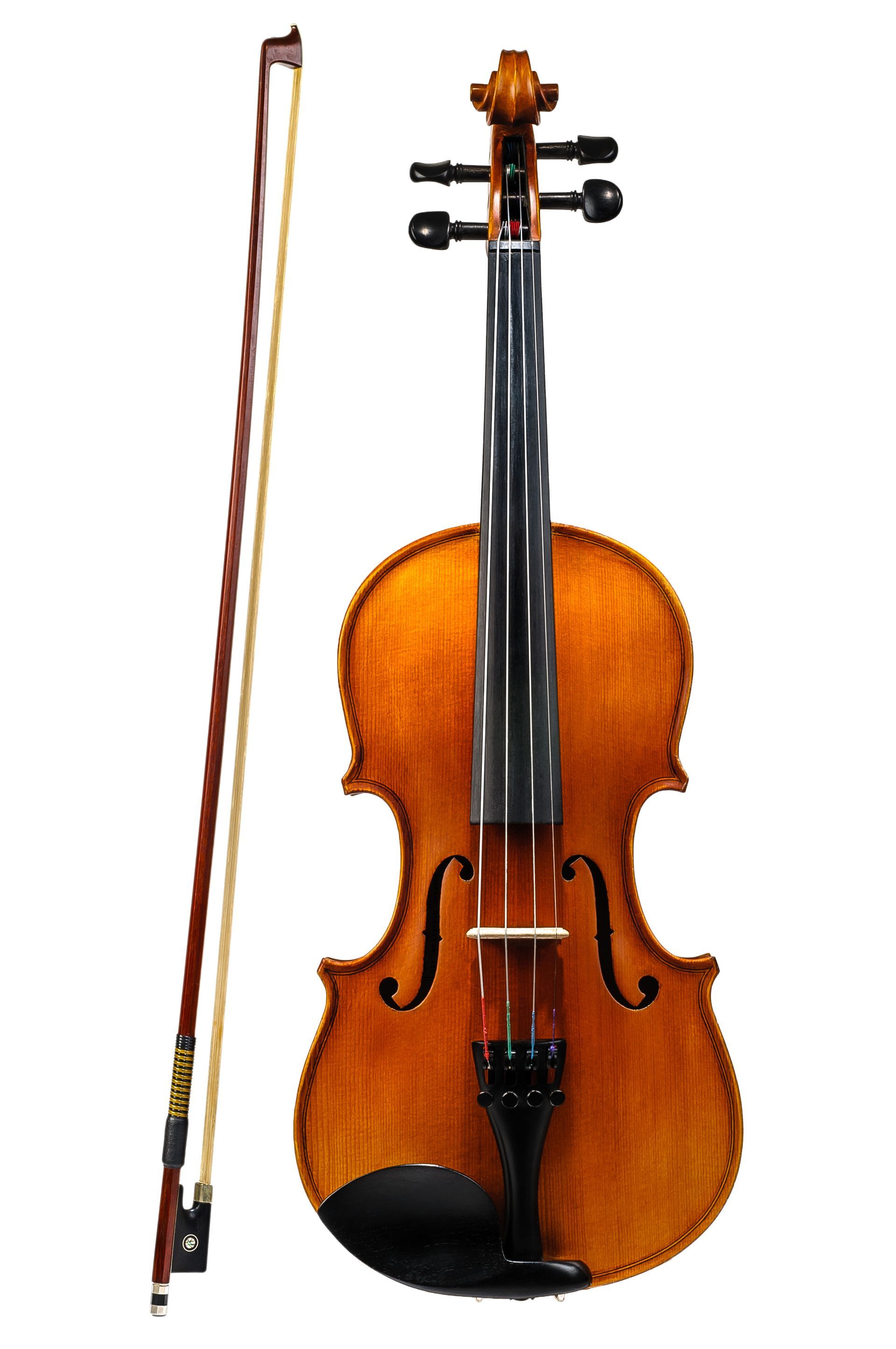
1st Violins
Amanda Swartz, Concertmaster
Allen Cornford
Patrick Knowles
Joe Berendse
Meghan Knowles
Kayla Giesey
Elizabeth Knowles
Carol Knowles
Ashley Julius
Jonah Swartz
2nd Violins
Marilyn Maxvold, Principal
Dori O’Connor
Rick Hamilton
Kolton Arthur
Connor Stuck
Katie Redinius
Brady Riker
Shayna Weyer
Rachael Bunger
Alex Trujillo
Violas
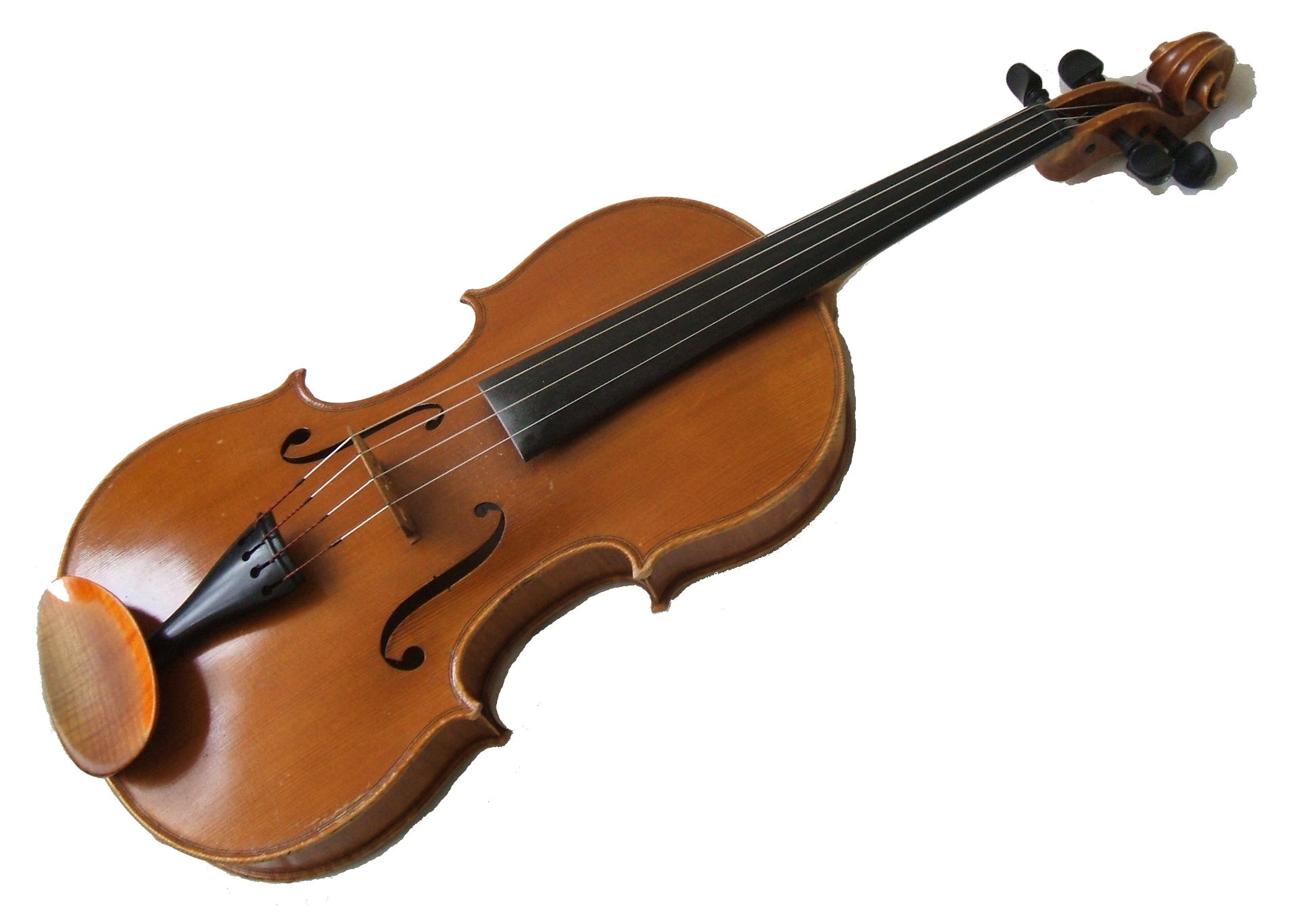
Cullen Knowles, Principal
Emily Pflaum
Charlie Savot
Laura Rehmeier
Chris Budd
Susan Guthrie
Jennifer May
Isabelle Schild
Dominick Davis
Markus Walter
Cellos
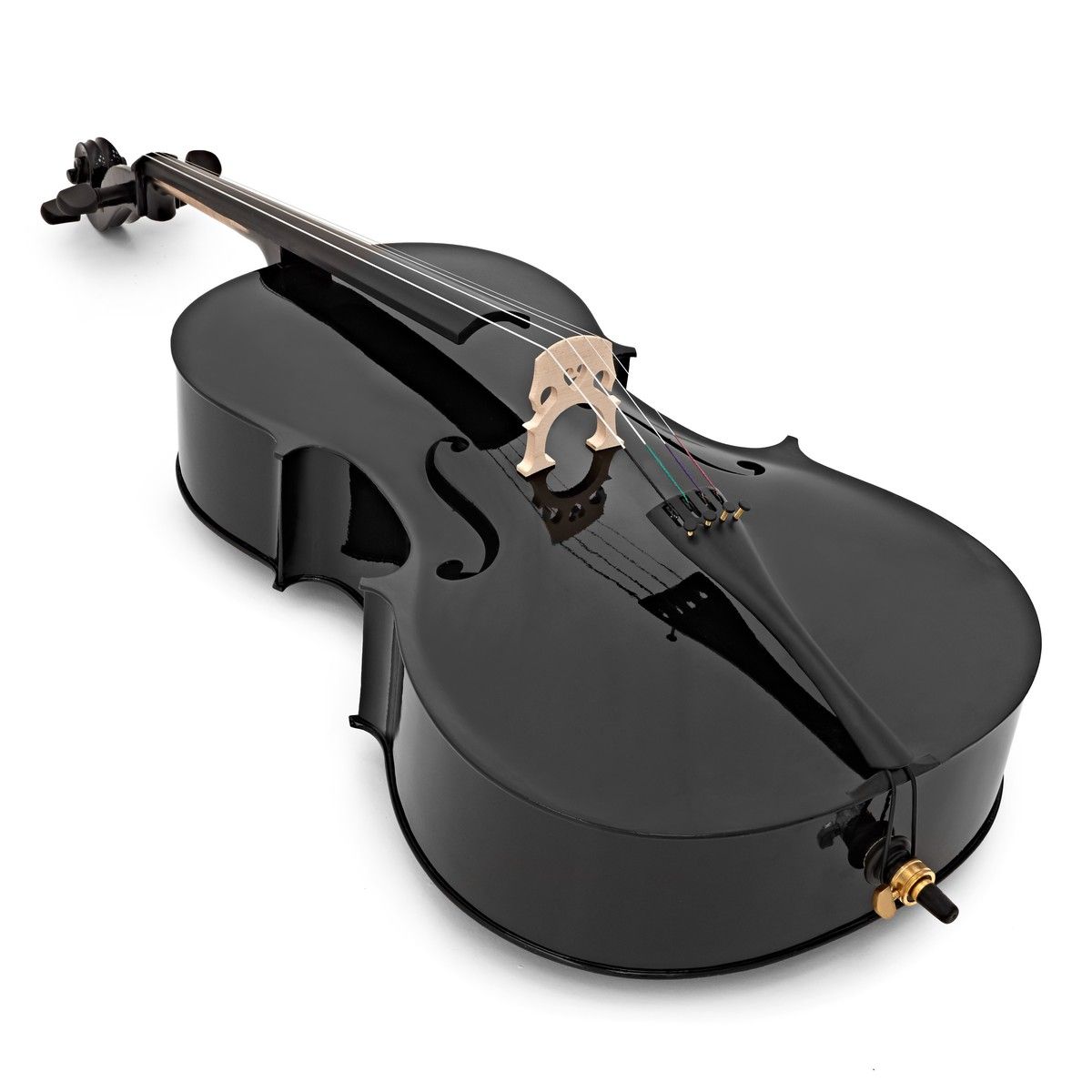
Elizabeth Benusis, Principal
Marta Koscak
Caitlin Gerdes
Karina Riggert
Lindy Hinckley
Janette Leno-Thomas
Logan Stone
Kili Cole
Double Basses
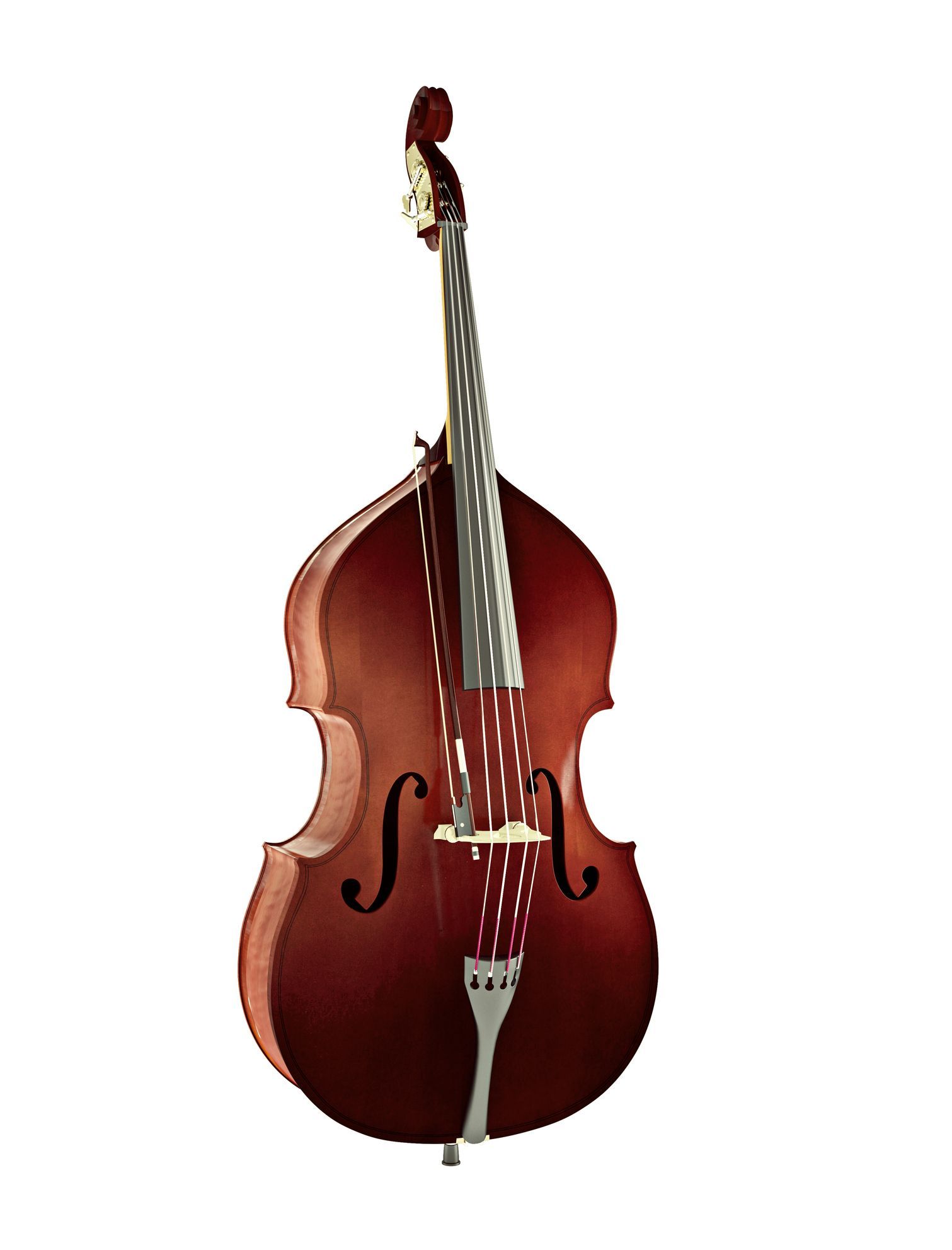
Kraig Long, Principal
Christopher Johnson
Kate Mathews
Manuelito Trujillo
Ben Wheeler
Sue Griffith
Flutes
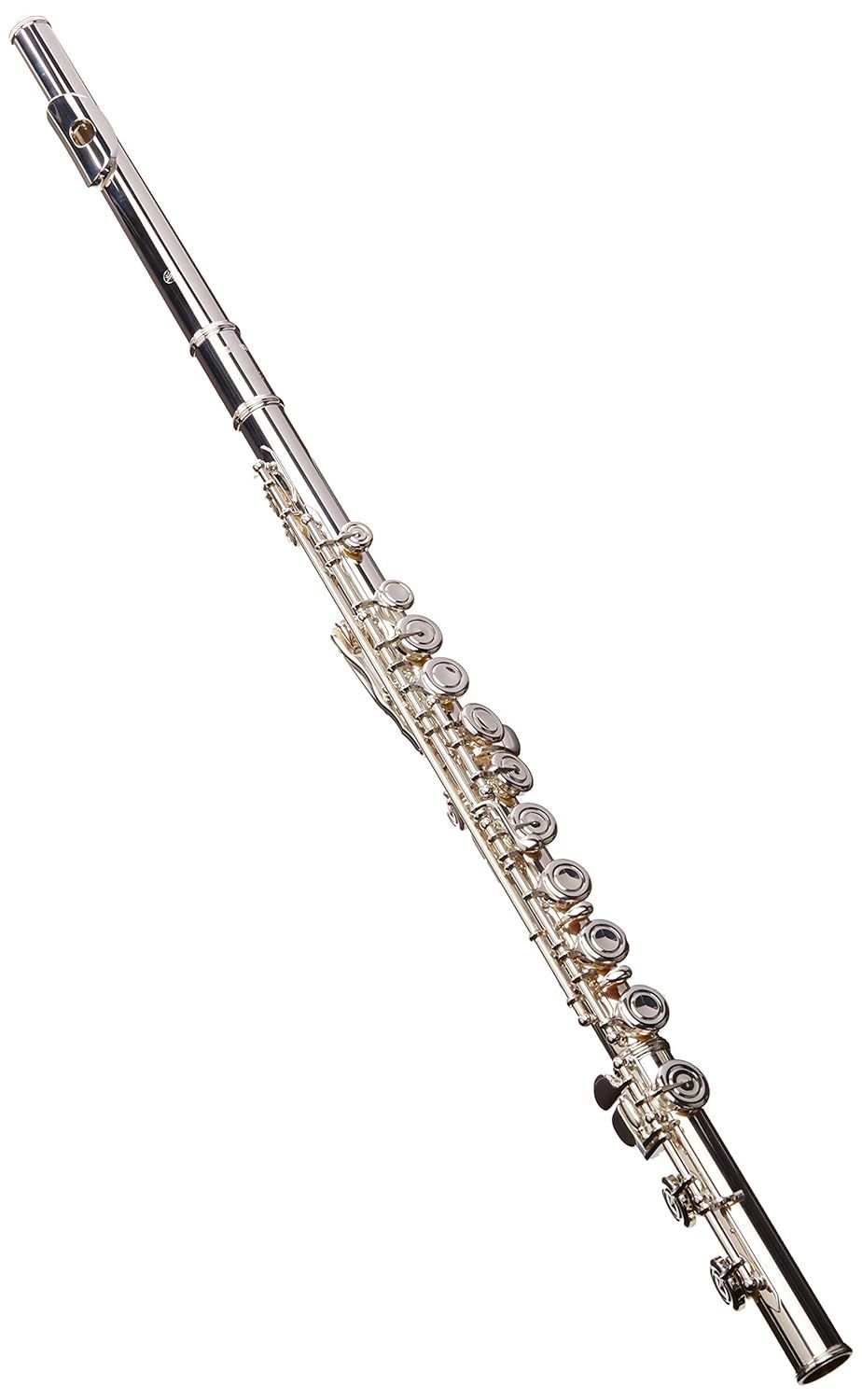
Julie Anderson, Principal
Helen Van Dam
Olya Bunger
Oboes
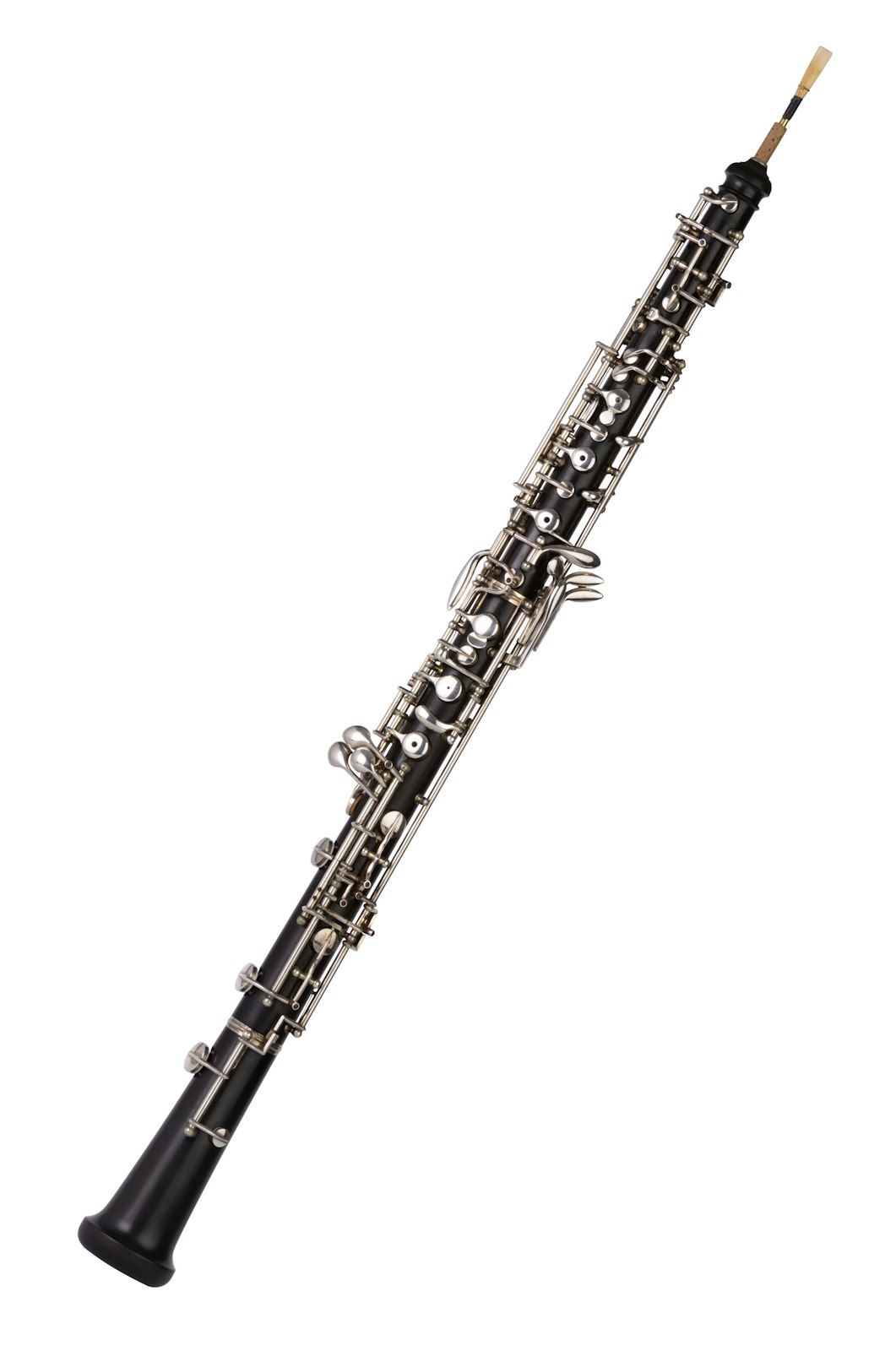
Nancy Olney, Principal
Paige Kumjian
Karen Ly
Clarinets
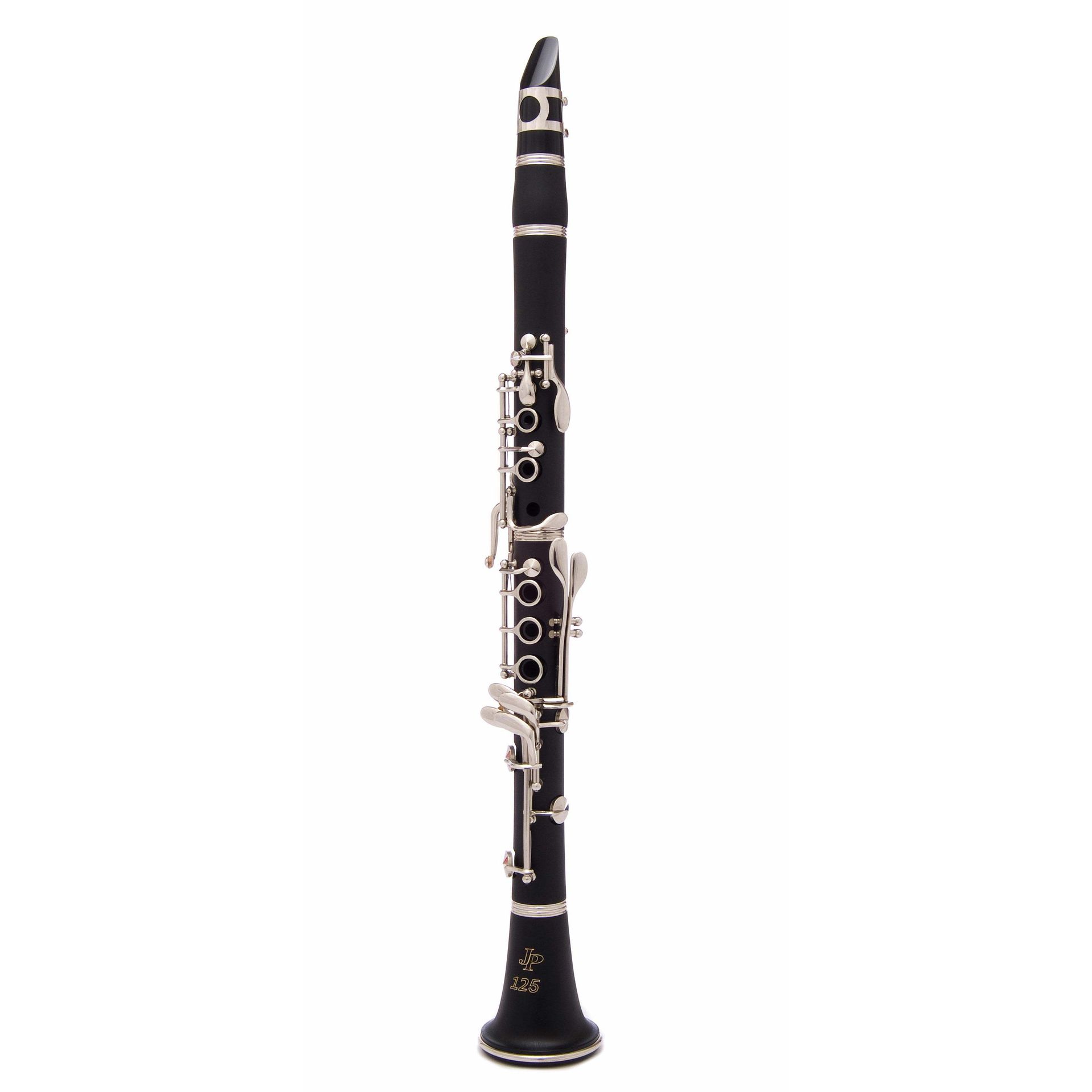
Deborah Knowles, Principal
Jackie Ott
Carolyn Roberts
Bass Clarinet
Christine Leichtnam
Bassoons
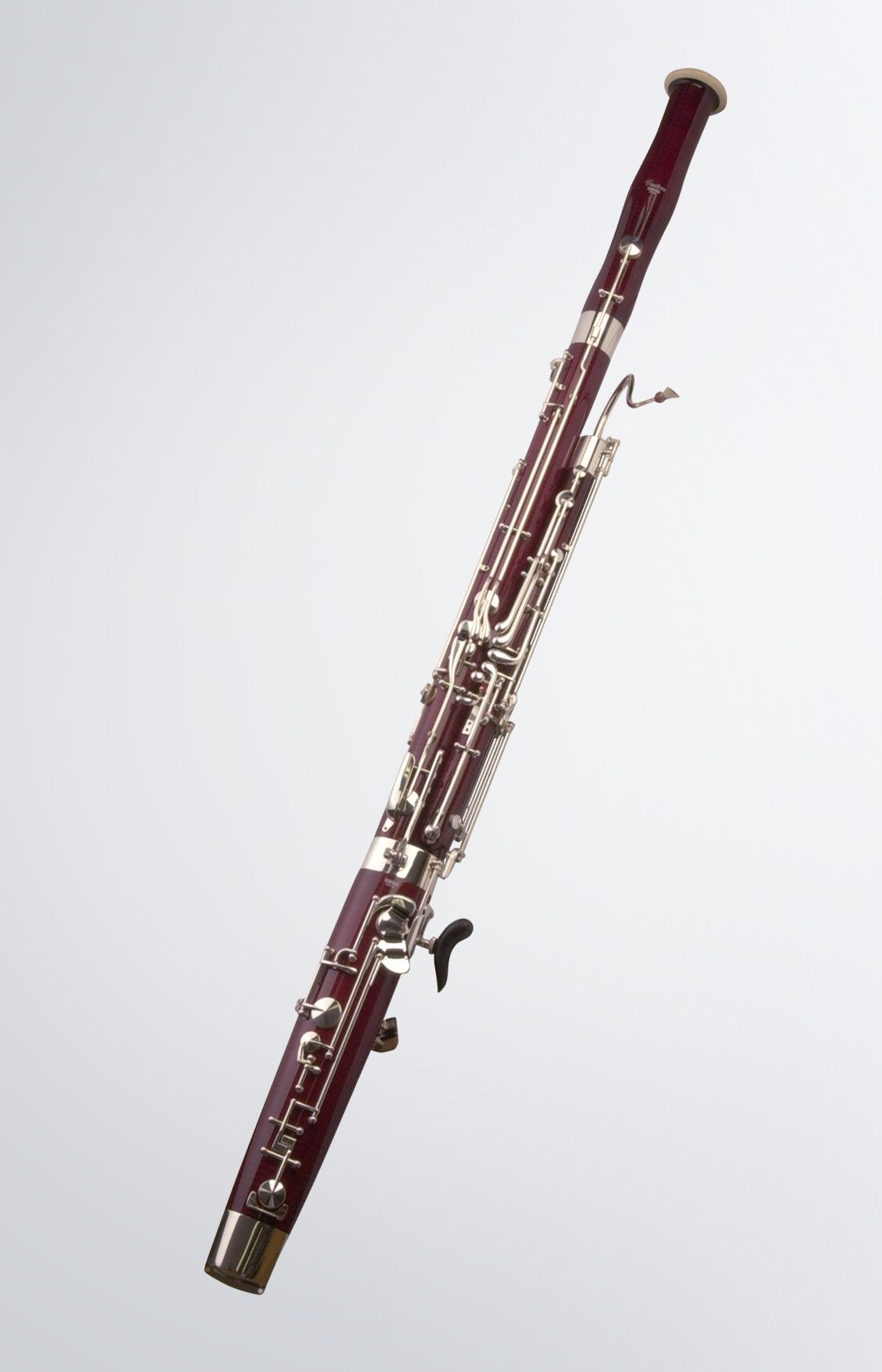
Richard Turner, Principal
Heidi Perrett
Contra Bassoon
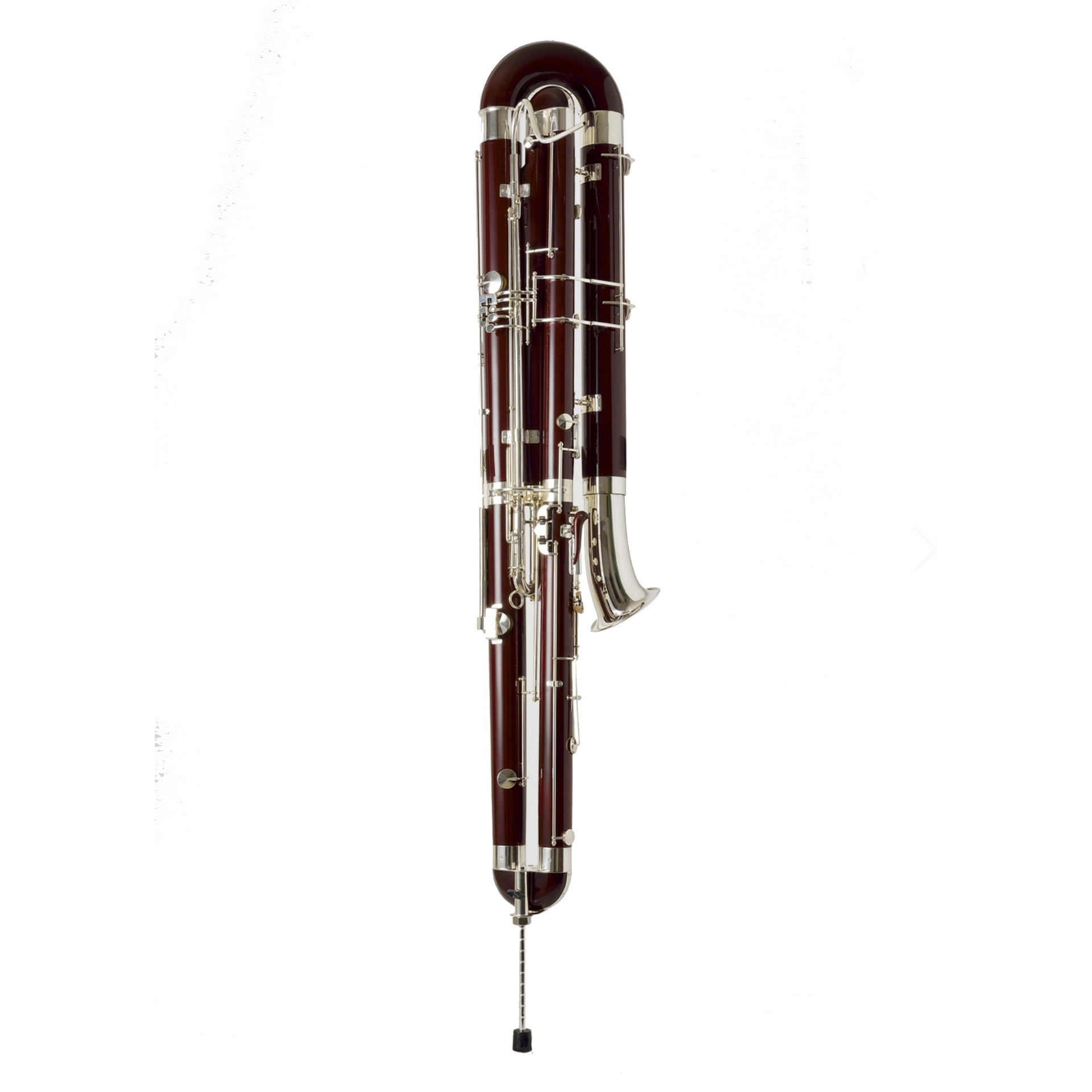
Steve Dalton
Horns
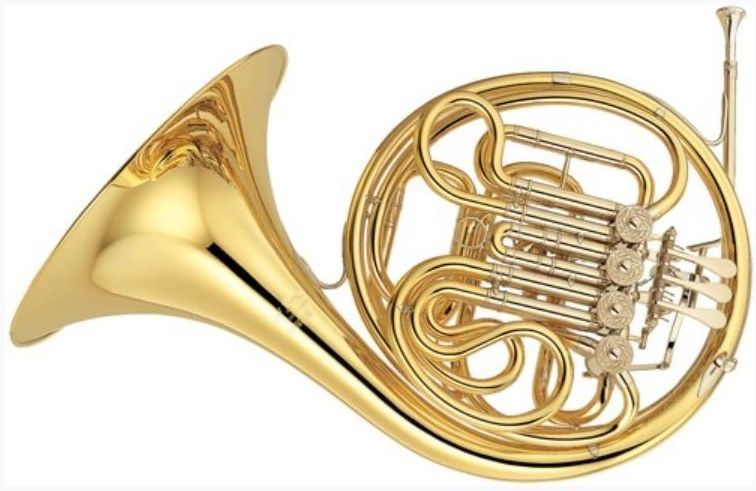
Skye van Duuren, Principal
Sarah Decker
Jennifer Stelzig
Victoria Palmreuter
Trumpets
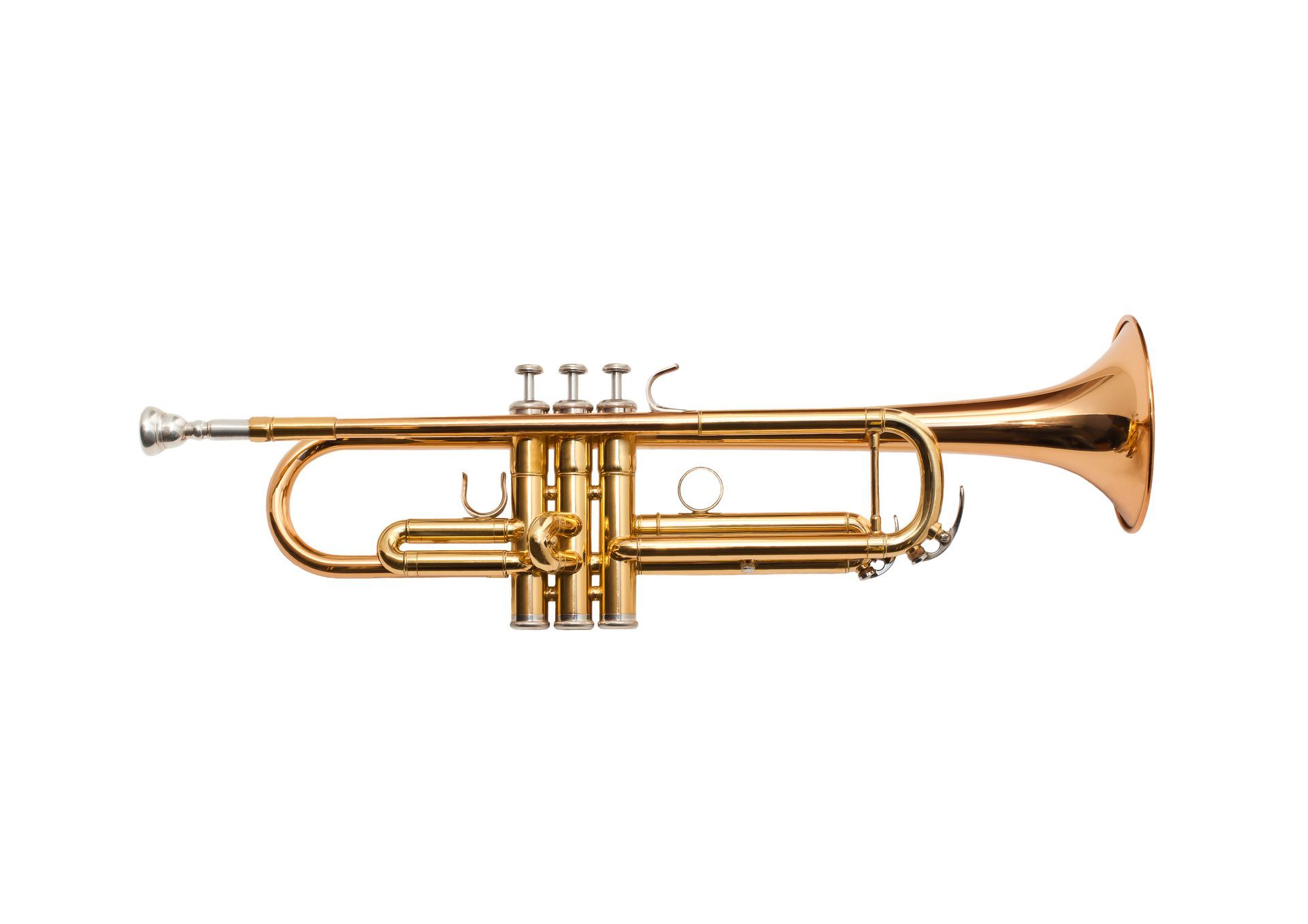
Rick Hamil, Principal
Nick Ries
Haley Armstrong
Trombones
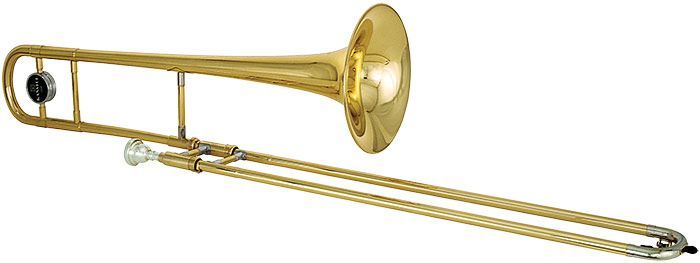
David Blauer, Principal
Bill Holst
Kevin Rathert
Tuba
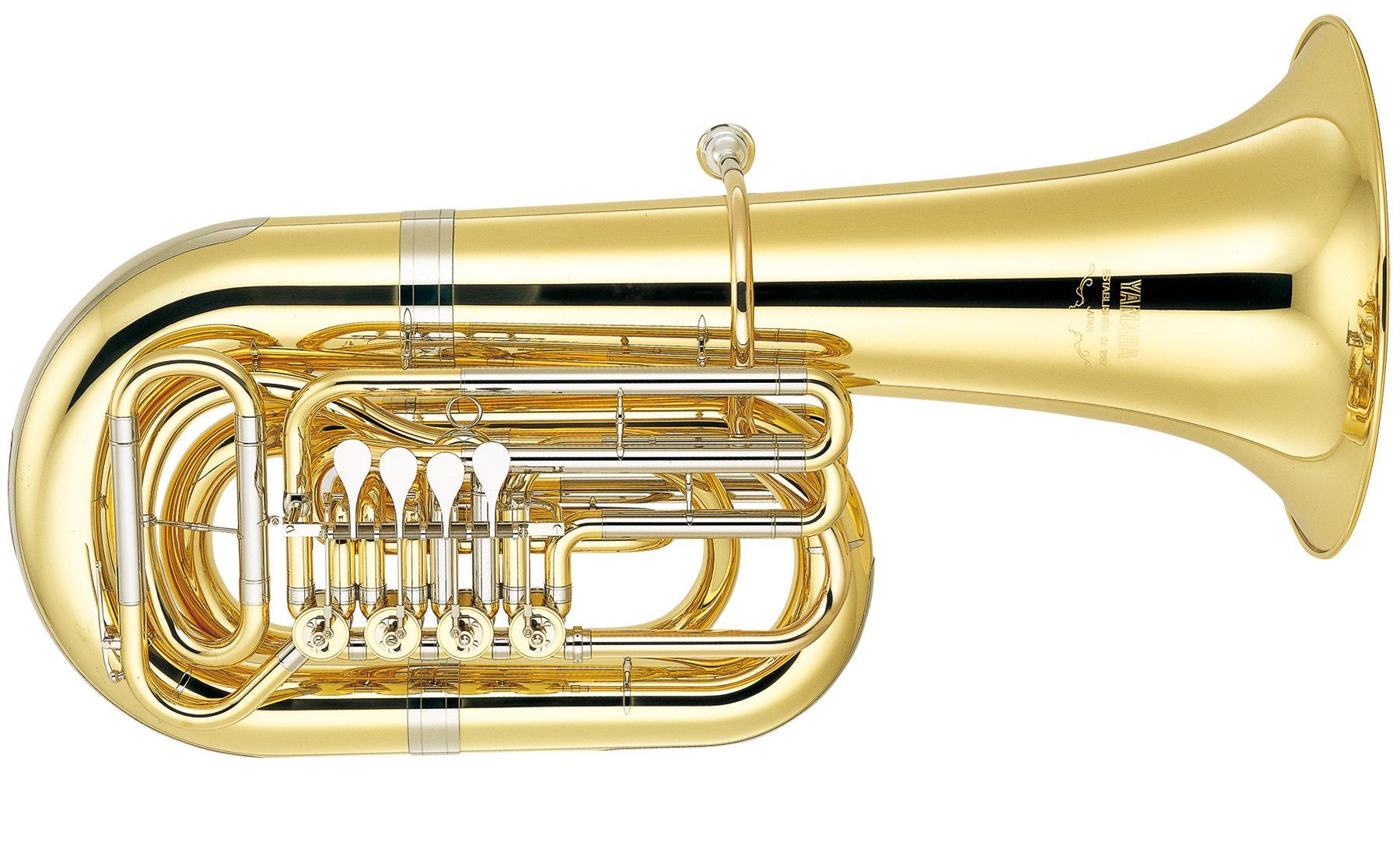
Joel Adams
Timpani
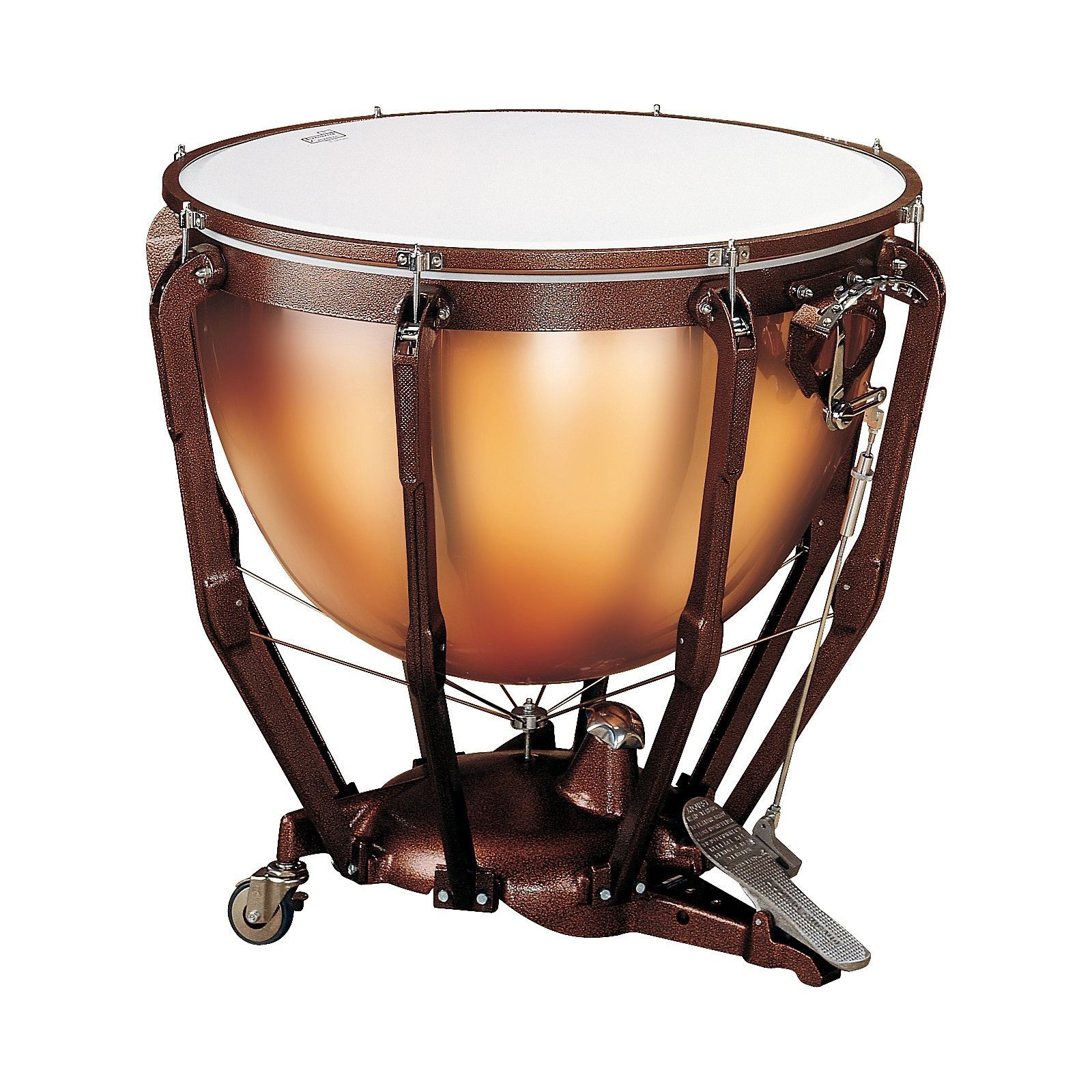
Andrew Simco
Percussion
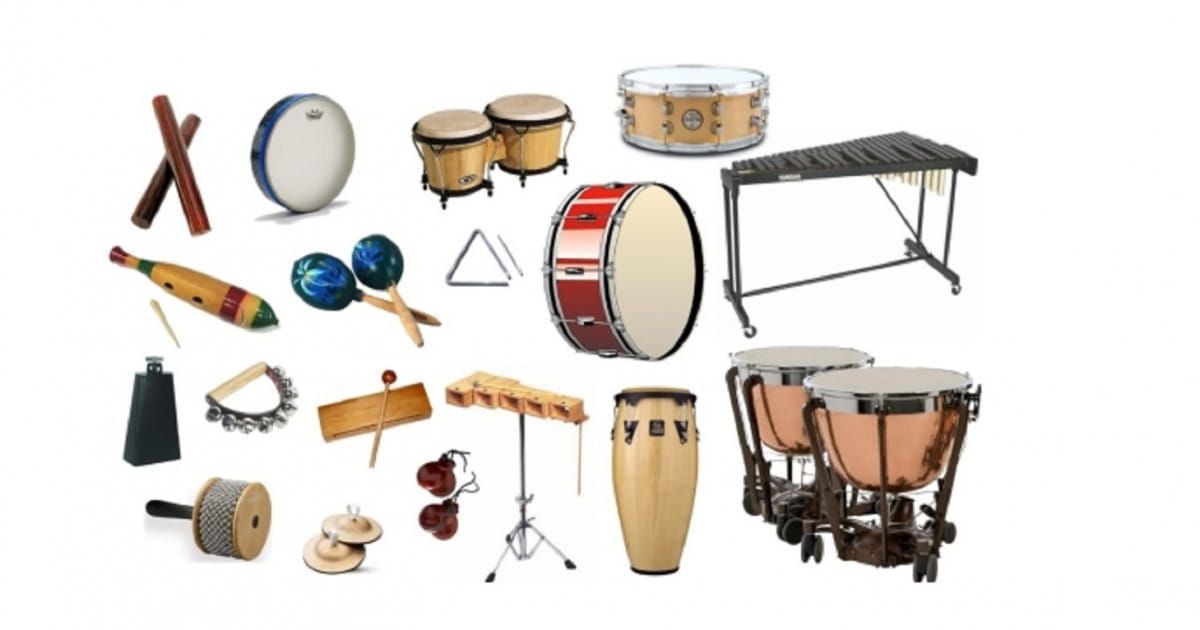
Carol Gulbransen, Principal
Alan Temple
Meredith Meersman
Dillon Dahlke
Harp
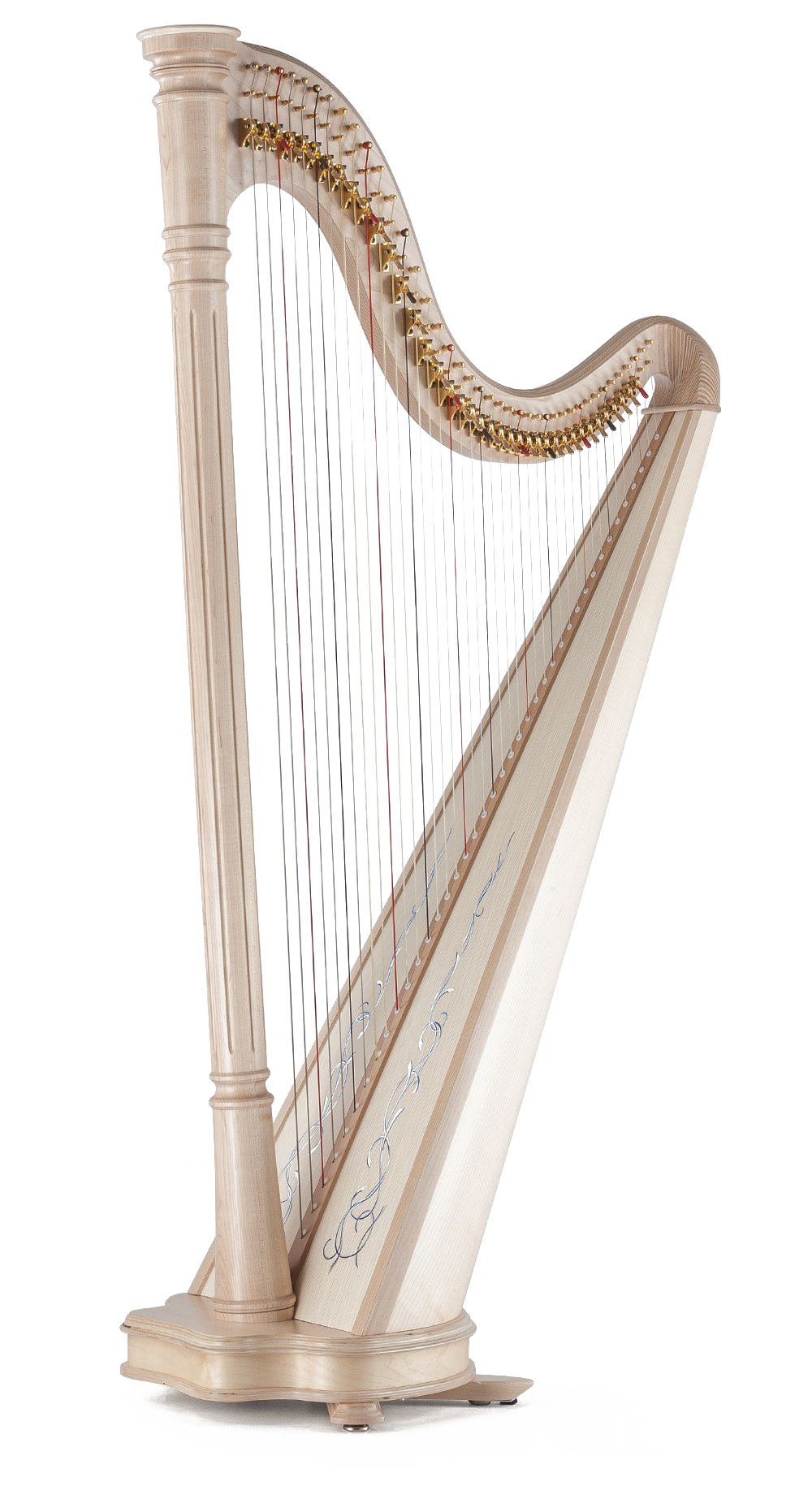
Jane A. Hamman